
The word on the tag
Somewhere along the way, "performance" became the most reassuring word in a fabric library. It's on the hangtag, it's in the showroom pitch, and it's usually the first thing anyone asks about once "dog" and "white sofa" end up in the same sentence.
Here's the thing, though. Performance isn't a standard. There's no single test a fabric passes to earn the name, and two textiles wearing the same label can behave very differently once they're living in a real room. Whether you're specifying for a client or choosing for your own living room, it's worth knowing what's behind the word.
So, what is performance fabric?
It's any fabric engineered to resist stains, spills, fading or wear, and that resistance usually comes from one of three places. Plenty of fabrics lean on more than one.
The fiber itself. Solution-dyed acrylics and olefins have the color locked into the fiber, so they hold up to sun and can often take a bleach cleaning. Oil is another story. It can still work its way in.
A finish applied at the mill. A topical treatment added during manufacturing that helps spills bead up instead of soaking in. This is where most of the variation lives, from mill to mill and line to line.
A backing or barrier. A layer that keeps liquid from reaching the cushion underneath. Great news for the foam, less help for the face of the fabric.
None of these are bad. They're just different, and each one leaves its own gaps. Even the Association for Contract Textiles points out that how well a stain repellent works depends on the stain, the repellent, and the fabric, and that a finish doesn't make a textile bulletproof.
Your go-to fabric may have quietly changed
For decades, the chemistry behind most stain-resistant finishes was PFAS, the so-called forever chemicals. They were very good at repelling both water and oil. They're also now restricted in textiles and upholstered furniture across a growing list of states, including several in the Northeast, with additional restrictions taking effect over the next few years.
Those rules meant mills had to reformulate, and many of the newer PFAS-free finishes handle water-based spills (coffee, wine, juice) more reliably than oily ones (salad dressing, body lotion, the sofa arm where someone rests their head every night). Same name on the tag, different chemistry underneath.
So if a fabric line was a trusted standby a few years ago, it's worth asking what's changed since. Designers can put that question to the rep; homeowners can put it to their designer or the showroom.
Finishes wear, because furniture gets used
Any finish, however good, lives on the surface. Every time someone sits down, drags a throw pillow across the arm, or scrubs out a spill, a little of it goes. Sunlight takes its share too.
A fabric that beaded water beautifully on delivery day can act very differently two or three years into life in a busy house. That isn't a flaw. It's what happens to anything that gets lived on, which is the whole reason it's there.
Performance is the foundation. Protection is how it lasts.
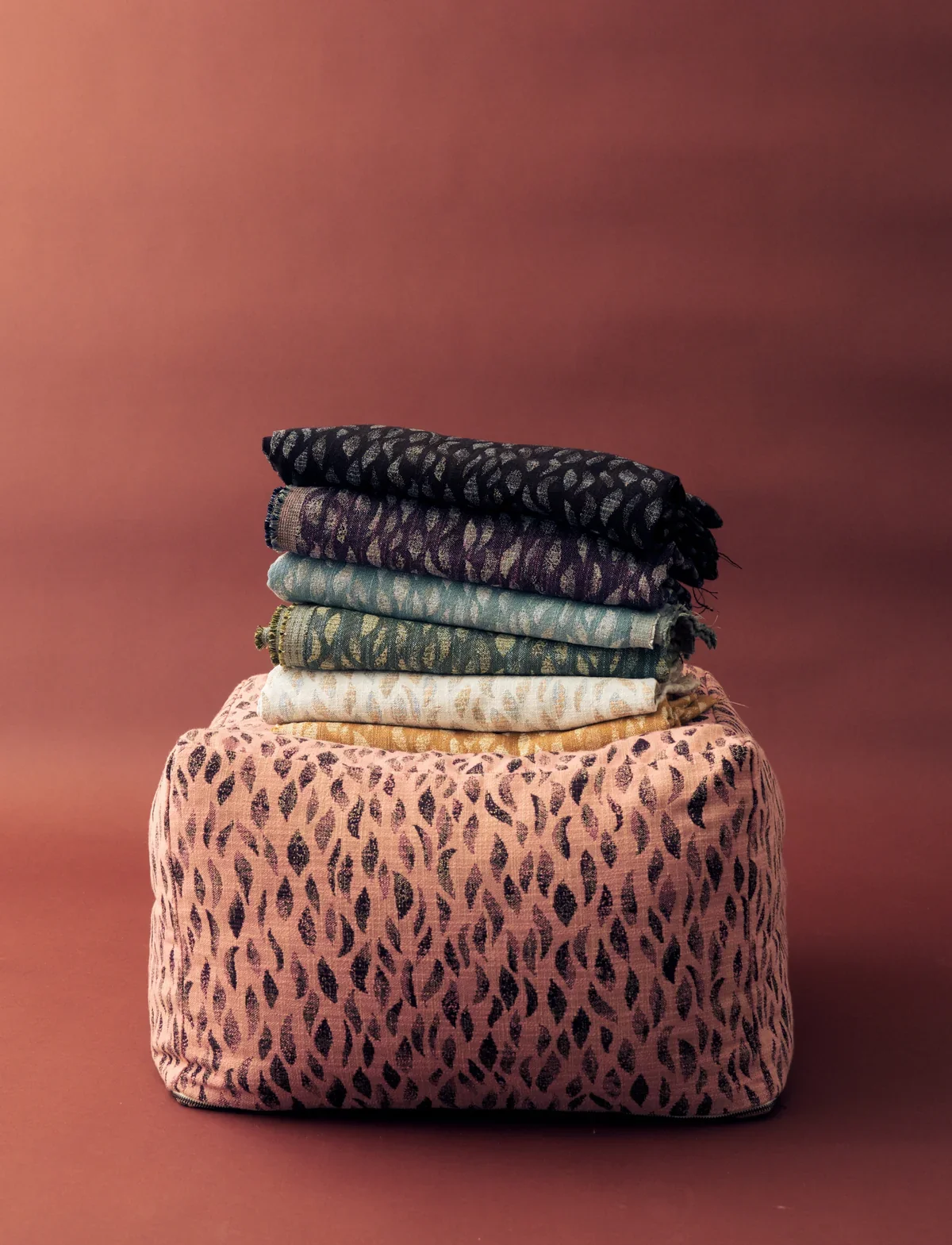
So, is performance fabric worth the extra cost? We think so. We love it, and it's a smart place to start. We just don't think it should be the whole plan. Fabrics like Rebecca Atwood’s Petals Woven are a great example of performance done well, and protection helps keep them that way.
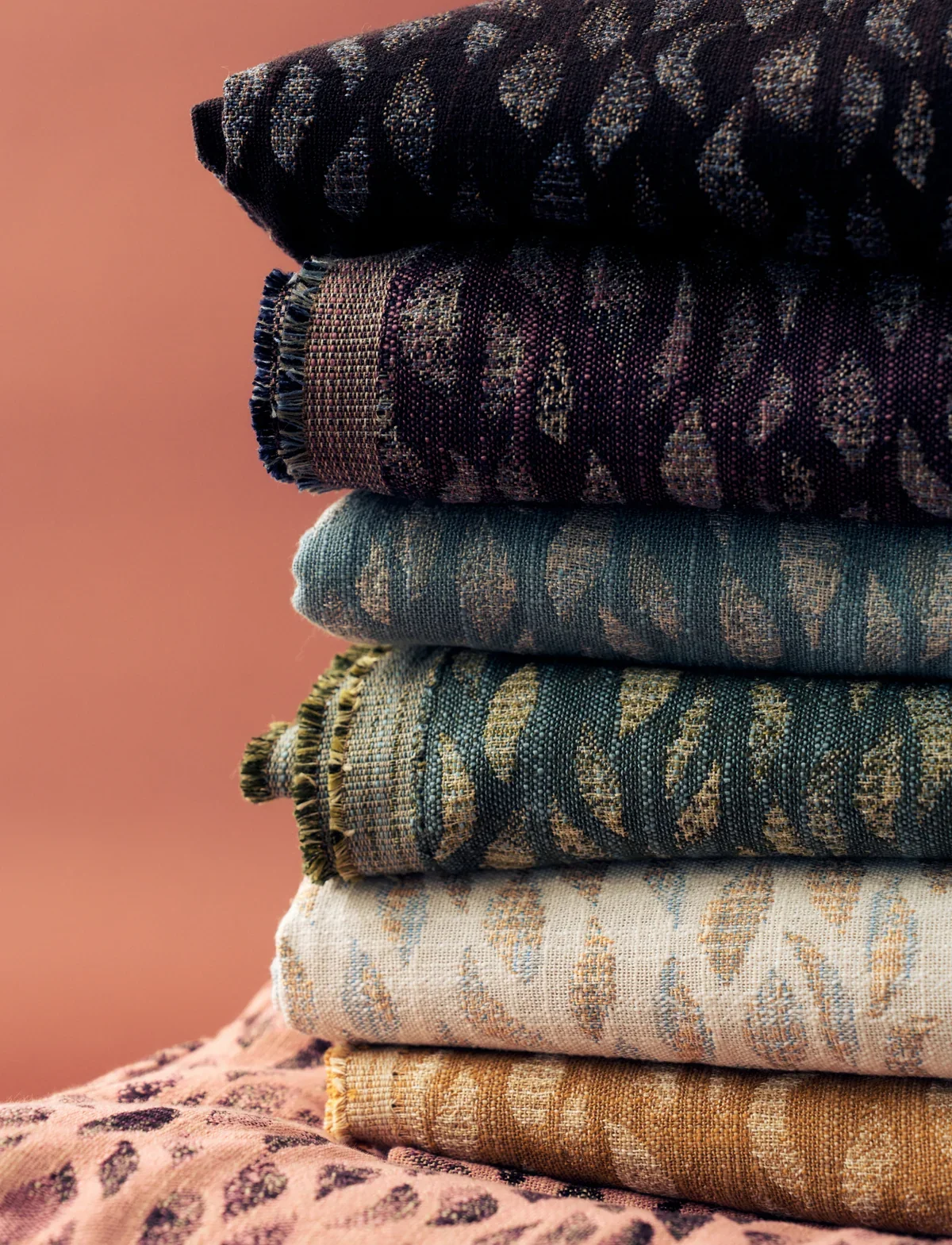
Fiber-Seal treats fabric on-site, once it's in the room, so the protection is matched to what's actually there: the performance textile on the sofa, the linen on the chairs next to it, the rug underneath.
And the application is only half of it. Every client gets a Spot Cleaning Kit for the small stuff, plus complimentary on-call spot cleaning for 18 months after treatment. For bigger jobs, we offer full cleaning services too. So you're not on your own with a spray bottle and a search engine.
For designers, that's one less callback after install. For homeowners, it's permission to actually live on the sofa you fell for.
Before you sign off on the spec
A few questions worth asking before anything is ordered: Where does this fabric's performance come from? Has the finish changed recently? How does it handle oil, not just water?
And if you've got a project in the works, a piece at home you're not sure about, or a fabric you're considering, get in touch. We'll give you our honest recommendation, even if the answer is "not much."
A quick note on warranties: some fabric makers have their own guidance on aftermarket treatments, so it's worth checking your fabric's care and warranty information first. If you can't find it, ask us, and we'll help.